What Makes a Real Gaming Laptop?
A gaming laptop needs a capable graphics processor. In most cases, that means a dedicated NVIDIA GPU, or at the very least a powerful modern integrated GPU for lighter gaming.
Many of the laptops we tested have neither. One example is the NIMO 17. It's advertised as a gaming laptop capable of "peak performance," esports gaming, video editing, and even running local AI models. However, it relies entirely on an older AMD processor with integrated Radeon 780M graphics and no dedicated GPU.
While the processor itself is perfectly respectable for everyday productivity, its integrated graphics simply aren't powerful enough for modern AAA gaming or demanding creator workloads. Yet the marketing suggests otherwise.
The same pattern appears across multiple brands. Mallrace markets its large 18.5-inch laptop as a high-performance machine despite using an entry-level Ryzen 4300U processor from 2020, a chip originally designed for basic office work rather than gaming.
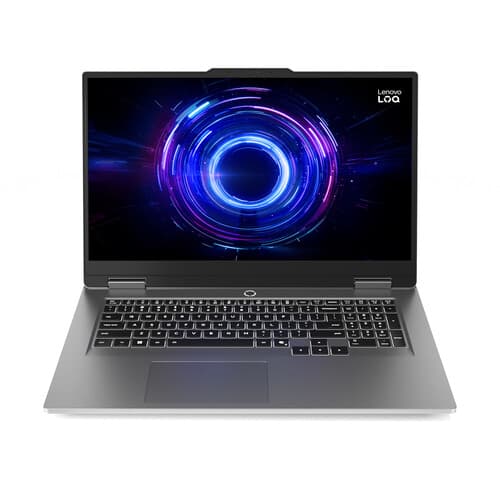
Even more concerning is the pricing. At the time of testing, Lenovo's LOQ gaming laptop, complete with an RTX 5050 graphics card and high refresh rate display, actually cost less than the NIMO laptop we purchased.
Build Quality: Better Than Expected, Until You Turn Them On
At first glance, the NIMO surprised us. Its blue finish looks attractive, the chassis feels reasonably solid, and it isn't excessively heavy for a 17-inch laptop. The Mallrace feels cheaper overall, although both machines appear to share a very similar chassis design.
Our suspicion is that these systems are manufactured by the same original equipment manufacturer before being rebranded under different names. Several design details strongly suggest this, including identical components shared across multiple brands.
Both laptops use dim 1080p panels with poor color accuracy. On the Mallrace, image quality is especially poor. Stretching a Full HD resolution across an 18.5-inch display results in soft text and noticeably pixelated images, making everyday productivity less enjoyable than it should be.
Creative work is also out of the question. These displays simply aren't accurate enough for photo or video editing despite marketing that suggests otherwise.
Installing software on the Mallrace took dramatically longer than expected. Downloads were slow, application installs dragged on, and overall responsiveness felt several generations behind modern laptops.
Wireless networking didn't help either. The laptop still relies on Wi-Fi 5 with inconsistent transfer speeds that were significantly slower than current Wi-Fi 6 and Wi-Fi 7 laptops.
The NIMO fared considerably better thanks to its newer processor, delivering perfectly acceptable CPU performance for web browsing, Office applications, and general productivity. On CPU benchmarks like Geekbench and Cinebench, it was competitive with similarly priced productivity laptops.
Gaming Performance Tells the Real Story
Gaming benchmarks exposed exactly why these laptops shouldn't be marketed as gaming machines.
The Mallrace produced one of the lowest graphics scores we've ever recorded. The NIMO performed better, but still landed alongside entry-level integrated graphics found in much cheaper ultrabooks.
By comparison, Lenovo's LOQ with an RTX 5050 delivered roughly four times the graphics performance while costing less during our testing.
Even premium thin-and-light laptops with Intel's latest integrated graphics outperformed these so-called gaming laptops in many scenarios.
Real Gaming Results

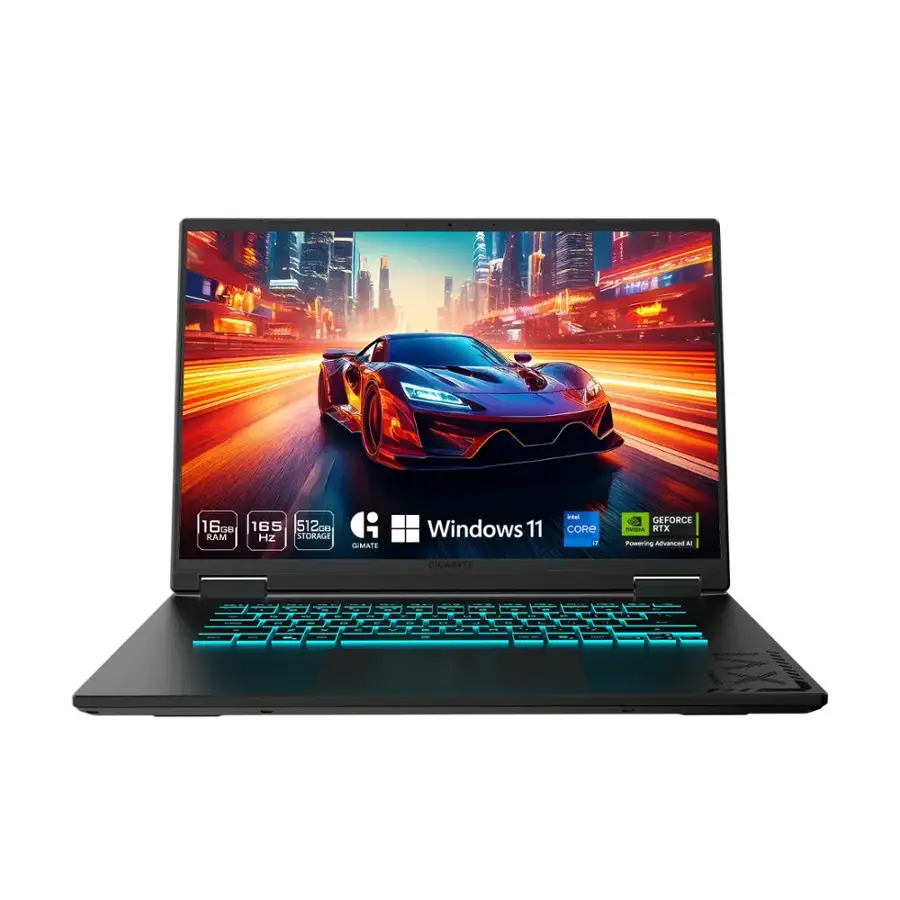
Cyberpunk 2077 highlights the gap between real gaming laptops and the models we tested. The Lenovo LOQ and Gigabyte Gaming A16 deliver smooth gameplay, while the NIMO and Mallrace struggle to achieve playable frame rates.
When we tested Cyberpunk 2077 at 1080p High settings, the NIMO averaged just 19 FPS. The Mallrace managed only 6 FPS. Neither provides a playable experience.
League of Legends performed better, but even there the experience was disappointing. The NIMO's display is limited to 60Hz, so higher frame rates provide little benefit. During more demanding moments, the Mallrace frequently dropped below 20 FPS while suffering from heavy stuttering.
Minecraft was playable on the Mallrace only after reducing settings to their lowest values.
Switching to the Lenovo LOQ completely changed the experience. Games like League of Legends and Minecraft easily exceeded the display's 165Hz refresh rate, while Cyberpunk consistently delivered around 80 to 90 FPS on High settings.
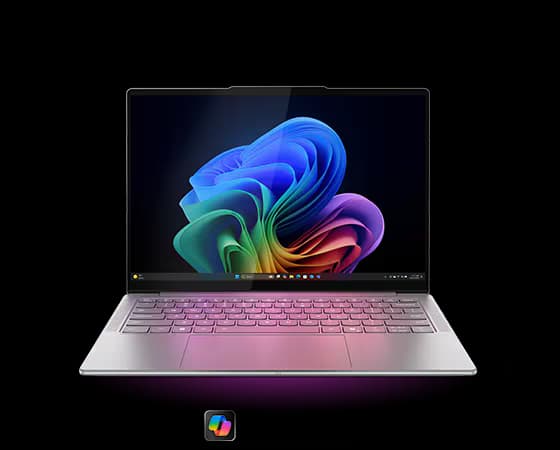
We also tested Lenovo's Yoga Slim 7i. Although it's not a gaming laptop, its modern integrated graphics comfortably handled lighter games while offering a far more premium overall experience.
Battery Life
Battery life was one of the few areas where the NIMO performed well. Without a dedicated graphics card drawing additional power, it lasted roughly nine hours in our productivity battery test.
The Mallrace was far less impressive. Despite also lacking a dedicated GPU, its outdated processor managed only around five hours, roughly matching the Lenovo LOQ despite the LOQ containing much more powerful hardware.
Better Alternatives
If your budget is around $900 to $1,300, there are significantly better options available.
For gaming, we'd recommend purchasing a genuine gaming laptop with an NVIDIA RTX graphics card, even if it means buying an older model on sale. Devices like the Lenovo LOQ or Gigabyte Gaming A16 deliver dramatically better gaming performance for similar or even lower prices.
If gaming is only an occasional hobby, premium thin-and-light laptops such as the Lenovo Yoga Slim 7i offer much better displays, build quality, battery life, and integrated graphics while remaining capable of playing lighter games.
Final Verdict
Not every laptop from brands like NIMO, Mallrace, Chuwi, Jumper, or Kaigerr is necessarily bad. The issue is how many of these products are marketed. Terms like gaming laptop, high-performance, and AI-ready create expectations that the hardware simply cannot meet. For buyers who aren't familiar with laptop specifications, those claims can be genuinely misleading.
Before buying any gaming laptop, look beyond the marketing. Check whether it includes a dedicated GPU, verify independent benchmark results, and compare it with similarly priced alternatives from established manufacturers.
In nearly every case we tested, spending the same amount on a genuine gaming laptop or a quality mainstream laptop delivered a far better experience.
If you're unsure what to buy, our recommendations focus only on laptops we've personally tested. We also track prices across major retailers, helping you avoid misleading listings and find genuine deals before you spend your money.
Pros
- Fantastic battery life
- Comfortable keyboard
- Price is very reasonable
- Good OLED screen
- Powerful enough for most office, home, or school use
Cons
- Screen refresh rate is 60Hz
- Display resolution is 1920 by 1200
- Not a premium feeling laptop - build quality, speakers, trackpad are all very basic
Pros
- Great Pricing
- More Portable Than Most Budget Gaming Laptops
- Thin & Light
- Remains Very Cool and Quiet
Cons
- Screen has ghosting
- Colors aren't great
- Ports are far down the laptop
- Avoid RTX 5060 version (has major performance issues)