What Matters Most in a Programming Laptop
Compiling code, running test suites, and working with backend services all scale with CPU speed. Look for:
- Cinebench score of ~800 or higher
- Intel H/HX or AMD Ryzen 7/9 processors
- Apple M4 or better for Mac users
Qualcomm’s X-Elite chips can be fine, but Windows-on-ARM compatibility is still hit-or-miss. Only choose them if you’ve confirmed every tool you need will run properly.
2. 32GB of Memory (Ideally)
Developers multitask more than almost any other group. IDEs, browsers with dozens of tabs, Docker containers, virtual machines—these all consume RAM quickly.
- 32GB recommended
- 24GB on MacBook Pro models is acceptable for most devs
If you know you run VMs, local clusters, or heavy data workloads, you already know you need more.
3. A High-Quality Display
You stare at code all day—clarity matters.
Aim for:
- 16-inch display or larger if portable enough
- 200+ PPI for crisp text
- 400+ nit brightness for comfortable use anywhere
High resolution and brightness reduce eye strain and make dense IDE interfaces easier to navigate.
4. A Comfortable, Accurate Keyboard
Coding efficiency rises or falls with the keyboard. Look for:
- Standard layouts
- Good key travel
- Minimal deck flex
Fan noise and heat on the keyboard deck also impact comfort during long sessions.
5. Low Weight and Good Battery Life
If you like coding in different locations:
- Keep the laptop under 4.5 lbs (2 kg)
- Expect real-world battery life instead of vendor claims; many powerful Windows laptops last only 3–4 hours during dev workloads
6. Linux and Software Compatibility
If you plan to run Linux locally or dual-boot, choose laptops known to work well with Linux distros.
Game developers or AI engineers should prioritize Nvidia GPUs for compatibility with common frameworks and toolchains.
Our Top 10 Laptops for Programmers
Below are our top recommended programming laptops this year, each selected for comfort, performance, reliability, and overall developer experience.
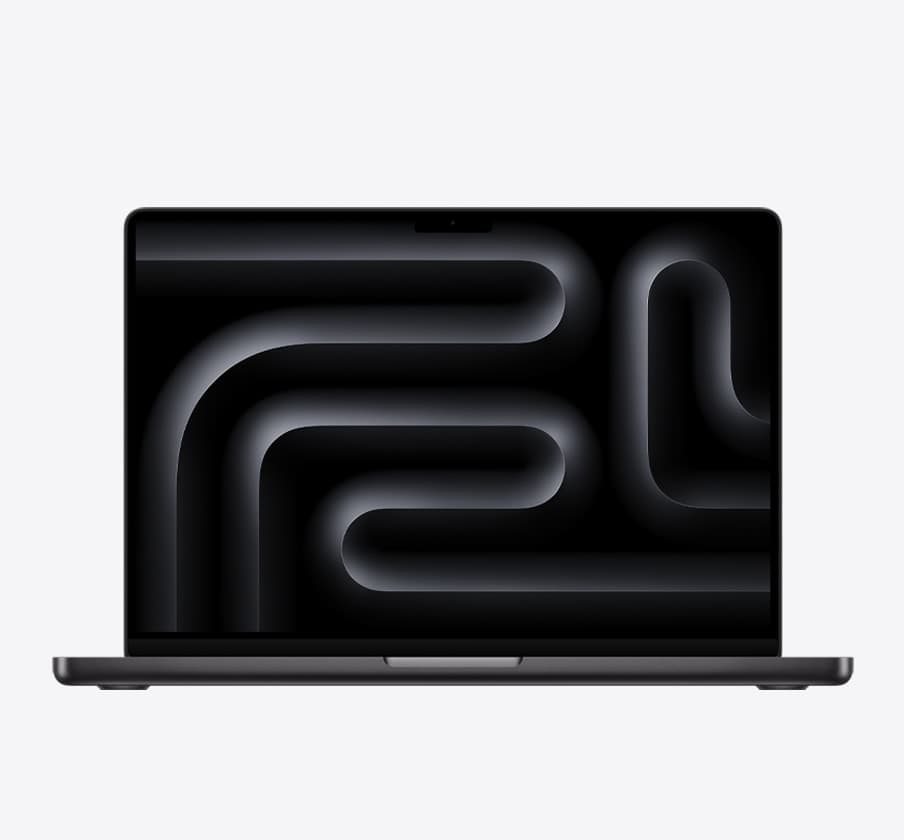
1. MacBook Pro 14 (M4 Pro)
The daily driver for both of our in-house developers. It’s quiet, cool, and has excellent battery life for coding—rare among high-performance laptops. The bright high-resolution display and excellent keyboard make it a joy to use all day.
Why it’s great for developers: High efficiency under load, long battery life, minimal heat/noise, crisp display, great keyboard.
Pros
- Extremely Powerful
- Long Battery Life
- Extremely Power Efficient
- Excellent Keyboard and Trackpad
- Fantastic Display - High Resolution, Fast Refresh Rate, Bright
- Minimal Fan Noise (If Any)
- Excellent Speakers
- Good Webcam
- Lots of Memory as Standard
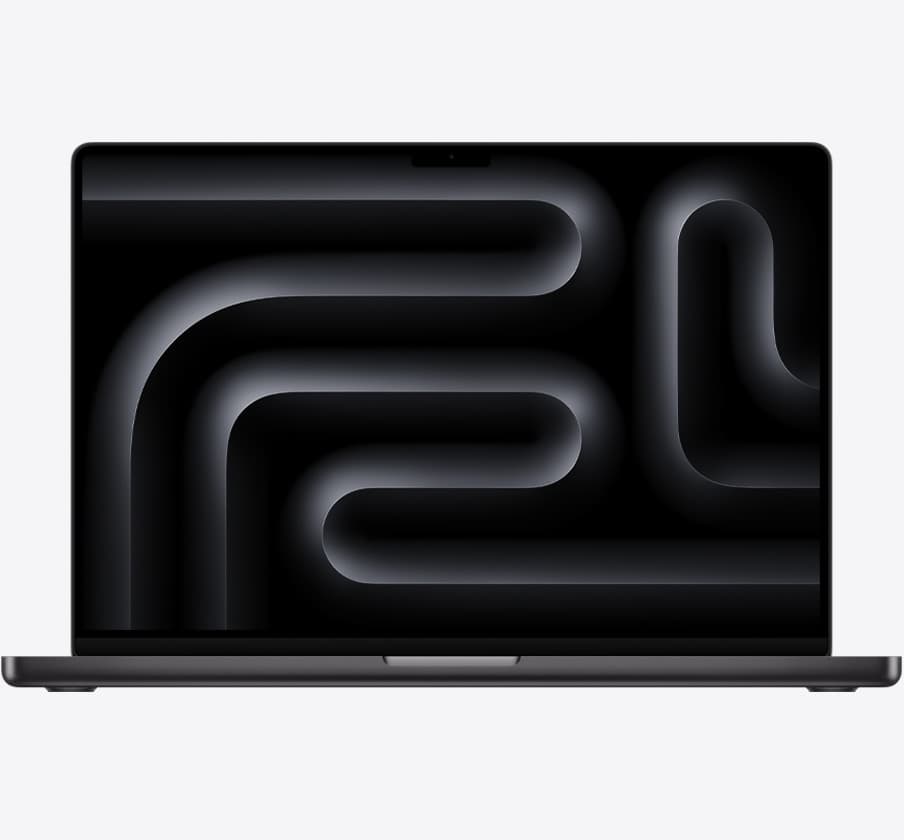
2. MacBook Pro 16 (M4 Pro/Max)
Everything great about the 14-inch version with a larger, more immersive screen and even better battery life. Slightly over the 4.5 lb portability cutoff but still very manageable.
Best for: Developers who value screen real estate for multitasking.
Pros
- Extremely Powerful
- Lots of Memory as Standard
- Good Webcam
- Long Battery Life
- Excellent Speakers
- Minimal Fan Noise (If Any)
- Good Keyboard and Trackpad
- Fantastic Display - High Resolution, Fast Refresh Rate, Bright
- Extremely Power Efficient
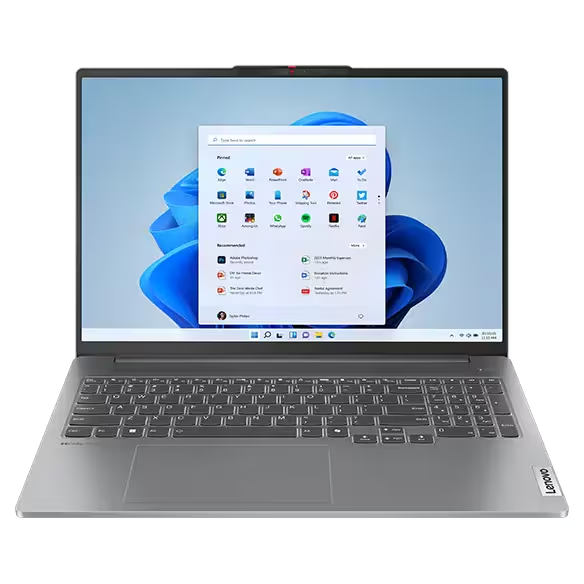
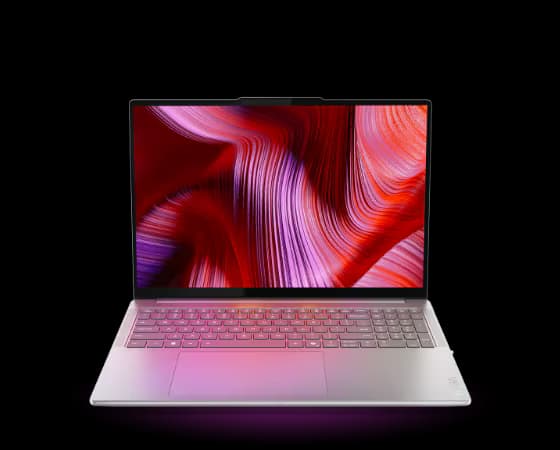
3. Lenovo IdeaPad Pro 5i
Our top value pick for programmers who want strong performance without Apple pricing. Lightweight, comfortable keyboard, bright high-PPI OLED display, and even an optional RTX 5050 GPU.
Why it stands out: Great balance of price, portability, display, and performance.
Pros
- High Performance Components
- Available with Dedicated GPU
- Offers Great Value
- No Major Drawbacks - Everything is Good Enough to Great
- Surprisingly Portable for a 16inch Performance Machine
Cons
- Display's color gamut is not wide enough for professional color work
- GPU doesn't perform as fast as it does in larger laptops
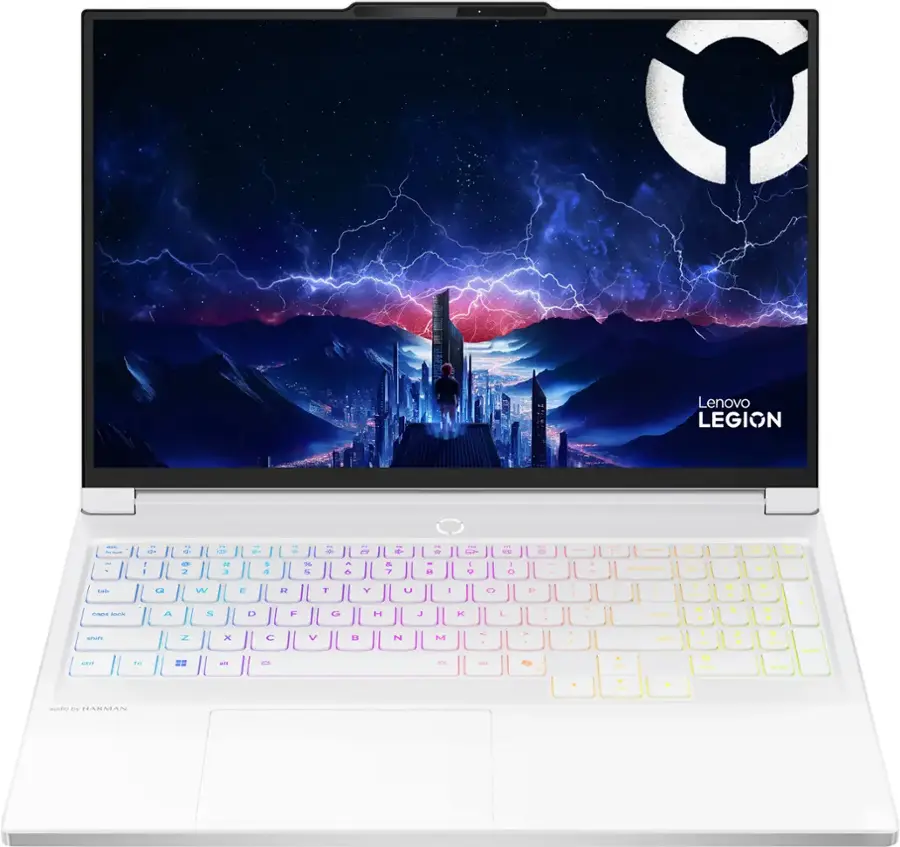
4. Lenovo Legion 7i
Ideal for developers who also want serious GPU power for gaming or compute-heavy tasks. RTX 5070, strong CPU performance, and excellent keyboard.
Trade-offs: Poor battery life and more fan noise/heat under load—typical gaming laptop issues.
Pros
- Very comfortable keyboard
- Fast full size SD card reader (UHS-II)
- Stunning display
- Portable for a gaming laptop
- Glacier White version looks cool
- Upgradeable memory
Cons
- Maxes out at an RTX 5070 8 GB
- Gets warm under load
5. Lenovo Yoga Pro 9i
A premium do-everything Windows laptop with a gorgeous Tandem OLED display and a comfortable keyboard. Offers Nvidia RTX 5050-5070 options and stays relatively quiet under most coding workloads.
Downsides: Heavier and weaker battery life compared to ultraportables.
Pros
- Tandem OLED display is absolutely stunning
- Keyboard is very comfortable
- Performs very well for a somewhat portable 16 inch laptop
- Speakers sound great
- Doesn't feel too warm to the touch
Cons
- When pushing the laptop for an extended period of time the battery drains while plugged in
- Fan noise is very audible on highest performance mode
- Trackpad is not as good as the rest of the laptop
- Shorter battery life than competitors
- SD card reader is slow
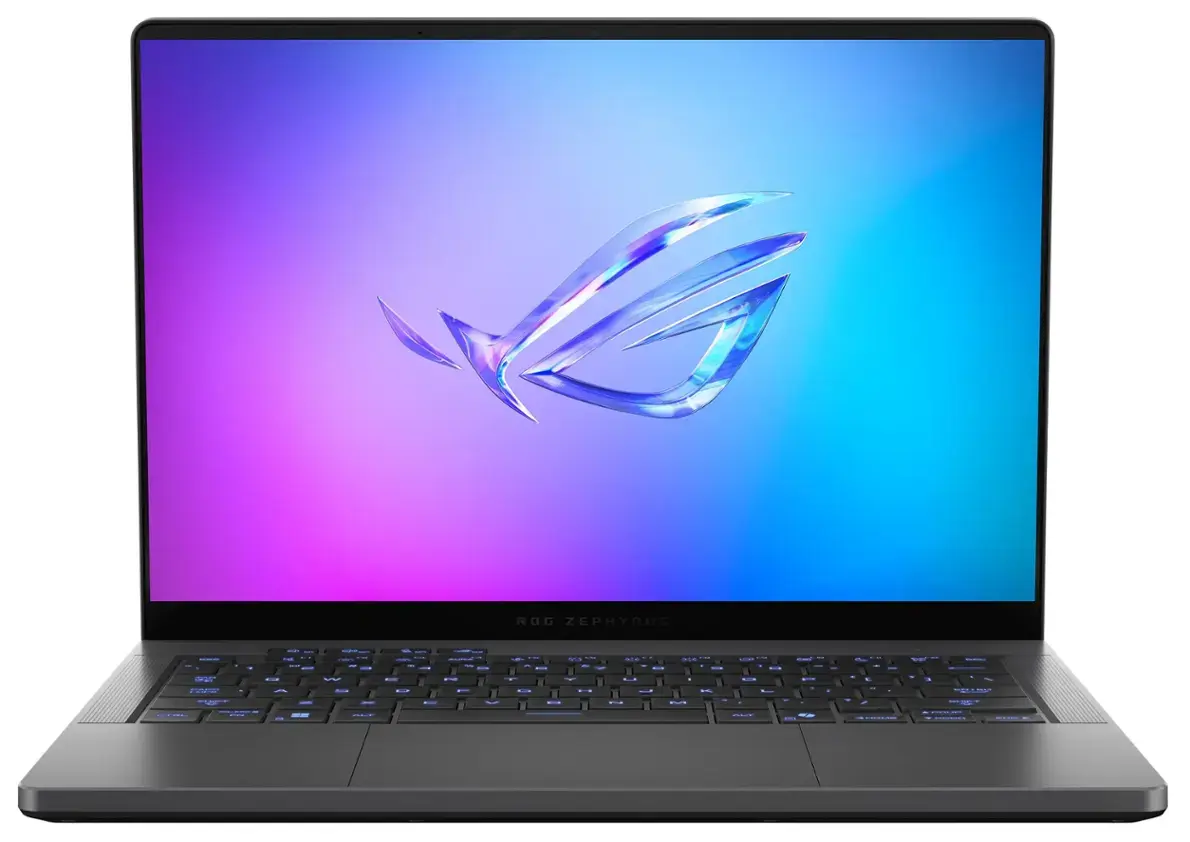
6. ASUS Zephyrus G16 (5070 Ti)
A cleaner, more premium-feeling alternative to traditional gaming laptops. Strong CPU performance, good battery life, and lighter than the Legion.
Why it’s great: Balanced power and portability with relatively low heat during dev tasks.
Pros
- Fan noise is minimal for a gaming laptop
- Very light and portable for a powerful laptop with a 16 inch screen
- Display is great - OLED, Fast Refresh Rate, High Resolution, G Sync, Advanced Optimus
- Great speakers
- Battery life is good for a gaming laptop
Cons
- GPU does not run at full wattage. The RTX 5080 and 5090 models perform poorly. Get the 5070 Ti
- Keyboard doesn't feel as comfortable as the Razer Blade 16
- Webcam is grainy
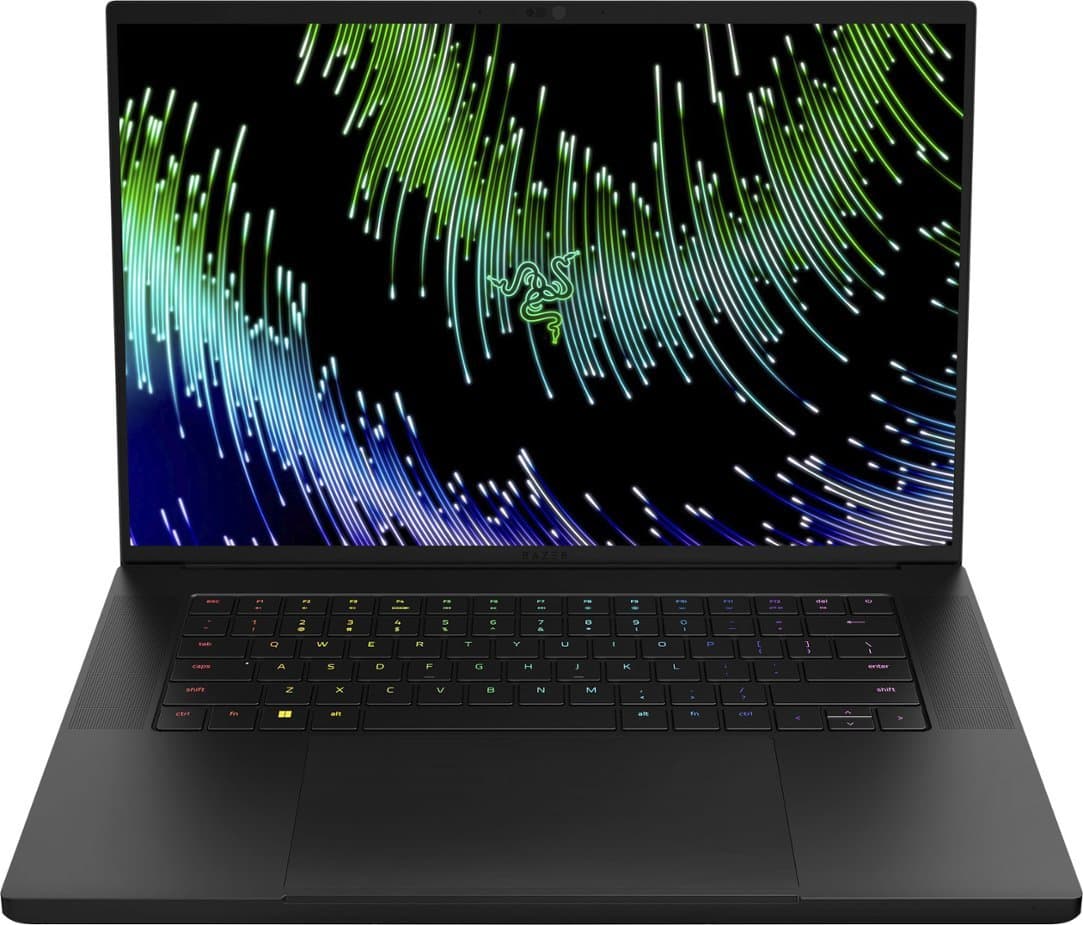
7. Razer Blade 16
A rare gaming laptop that feels ultra-premium. Quiet and cool during burst workloads like compiling, and offers high-tier GPUs.
Caveats: Short battery life, software quirks (Razer Synapse), and inconsistent sleep behavior.
Pros
- Very thin and light for a high performance gaming laptop
- Looks stunning
- Excellent keyboard
- Great port selection
- Powerful GPUs
- Good OLED fast refresh rate display (G-Sync, Advanced Optimus)
- Feels cool to the touch, even during gaming or video editing
Cons
- Trackpad has palm rejection issues
- Bad battery life
- Small arrow keys
- Support is challenging to deal with and return window is short
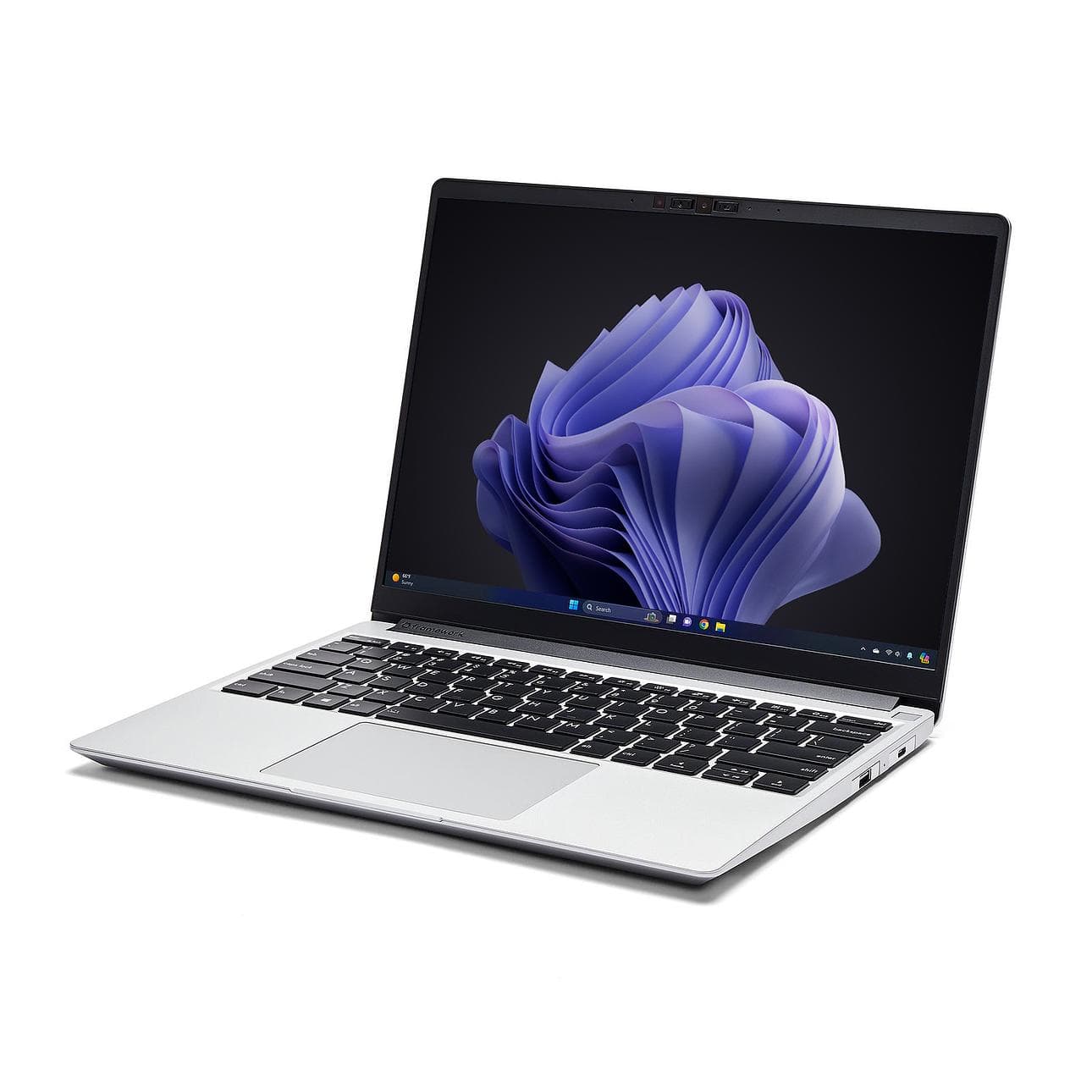
8. Framework 13 (Zen 5)
A dream machine for Linux users and tinkerers. Repairable, upgradeable, lightweight, and with a tall 3:2 display ideal for code.
Trade-off: Smaller 13.5-inch screen, and it can run warm under heavy use.
Pros
- Fully upgradeable
- Excellent Linux support
- Great display for a 13.5 inch laptop
- The best selection of ports of any laptop
- No bloatware
- Comfortable keyboard
Cons
- It's not a premium feeling laptop given its price point
- AMD Ryzen 7 Zen 5 CPUs have weak integrated graphics
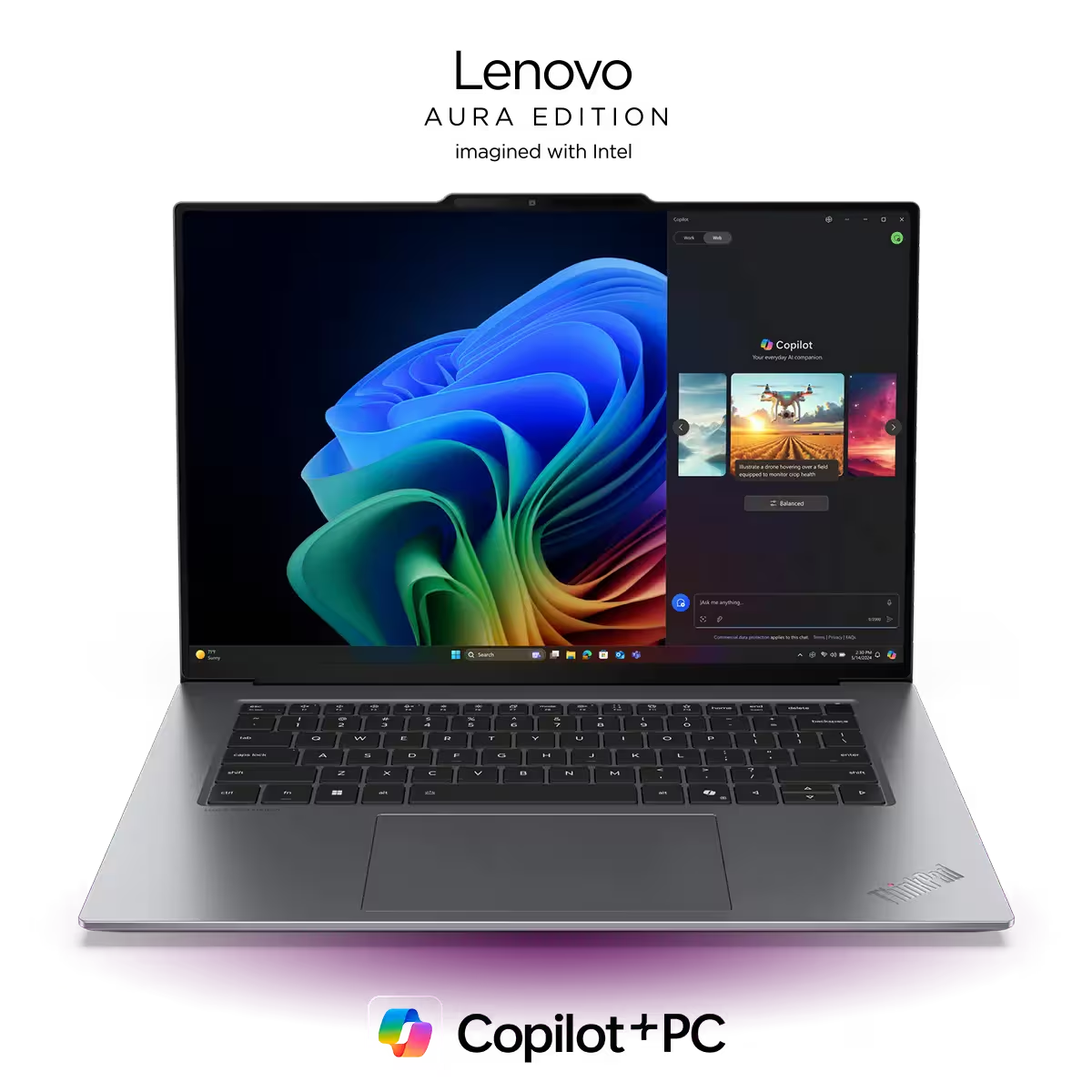
9. ThinkPad X9 15 (Lunar Lake)
A surprise win: exceptional battery life, premium build, and a great keyboard. CPU performance is weaker, but for developers working on lighter workloads, it’s more than enough.
Best for: Programmers who value comfort, quiet operation, and long battery life over raw multithreaded muscle.
Pros
- Fantastic 4k Webcam
- Great screen options
- Effective anti-reflective coating on the display
- Accurate haptic trackpad
- Great speakers
- Good port placement
Cons
- Missing the red Trackpoint
- Pricey
- Port selection is limited
- Its performance is at the lower end for similar laptops
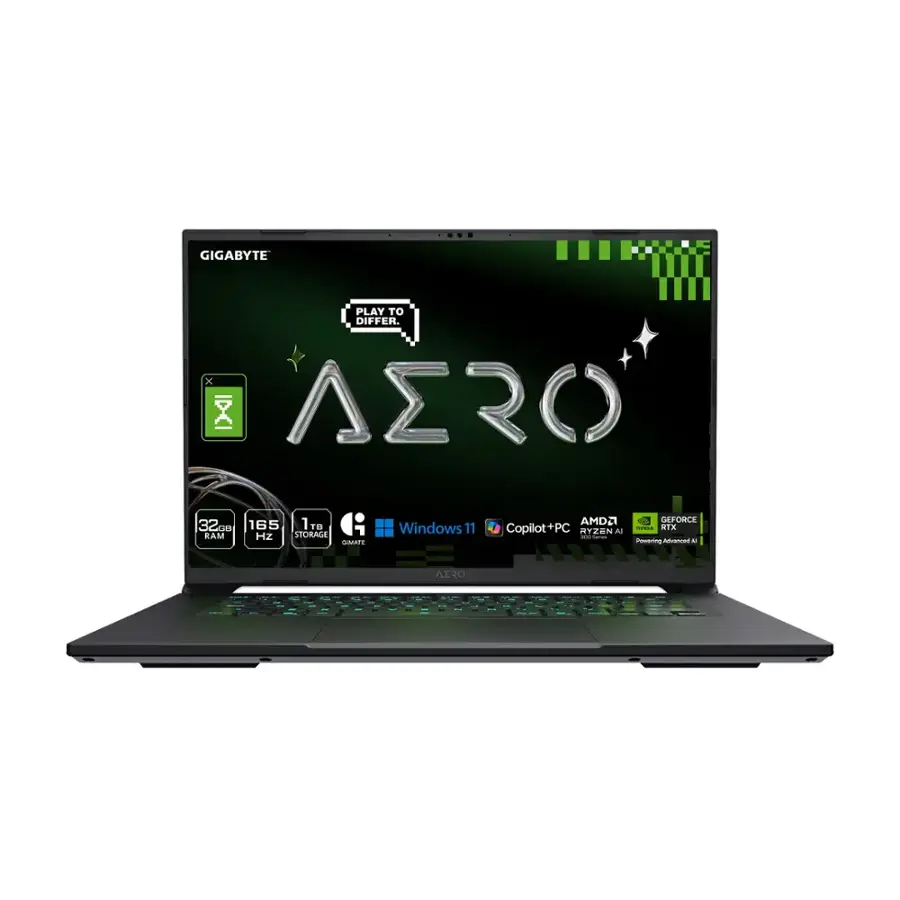
10. Gigabyte Aero X16
A budget-friendly option with 32GB of RAM and a mid-range Nvidia GPU at around $1,000 during sales.
Good for: Developers who want GPU acceleration without spending big.
Downsides: Mediocre display, less comfortable keyboard, and higher heat under load.
Pros
- Exceptional value for money
- Strong battery life for a laptop with a dedicated GPU
- Matt screen makes it excellent for using in bright environments
- Trackpad is great
- Plenty of performance for most users
- Its quite light for a laptop like this
- Upgradeable memory
- Very little fan noise and remains cool to the touch
Cons
- Display's colors aren't entirely accurate
- Port placement is right down the front. Left handers will struggle with this
- Other laptops this size are more powerful
- Speakers lack volume
- Keyboard feels mushy
Final Thoughts
If you can’t afford one of the higher-end models on this list, don’t be discouraged. Any laptop that hits the fundamentals—decent CPU, enough memory, clear display, reasonable thermals—will carry you far as a developer. Choose the machine that gets you closest to these criteria within your budget.
And remember: our Best Laptops for Programmers list on BestLaptop.Deals stays updated well beyond any video release, so check it before you buy to make sure you’re getting the best deal.